AI
How AI and LLMs Will Reshape SEO, UX, and the Way Content Earns Trust
From UXsniff’s perspective, the rise of AI does not reduce the importance of UX. It amplifies it.
UXsniff approaches session recording differently from traditional video-based tools. Instead of capturing screen videos, UXsniff stores each session as a compact blob containing DOM mutations, interaction events, and precise timing data. This includes exactly when, where, and how users click, scroll, type, and move through a page.
Today I’m excited to introduce a feature we’ve been quietly building — and it’s about to become one of the most valuable tools inside UXsniff.
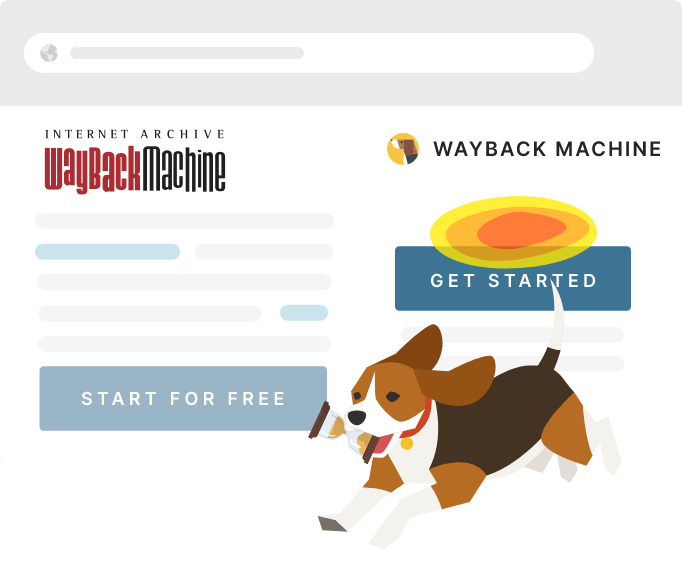
The original Wayback Machine by the Internet Archive lets you see how websites looked in the past — a digital time capsule for the web. But what if you could go further and see how users behaved on those old designs? UXsniff’s Wayback Machine brings that idea to life for UX teams. It lets you revisit past heatmaps and A/B tests, compare user interactions across different design eras, and uncover which layouts truly worked — all without rerunning experiments. It’s like the Wayback Machine, but for your UX data.
In today’s digital experience world, understanding how users interact with your site—and why they behave as they do—matters more than ever. Tools like Hotjar and UXsniff aim to deliver that insight through heatmaps, session recordings, user feedback etc. But they differ in focus, maturity, feature-set and ideal use case. If you’re evaluating which to adopt (or trial), here’s a structured comparison.
Every website eventually faces them — broken links that lead visitors to nowhere. They frustrate users, waste crawl budget, and silently damage your SEO performance. Understanding how to find and fix them early can save both your traffic and your reputation.